Where to buy raw milk in Dubai: exploring farm sources and delivery options in 2026
More residents are seeking natural, minimally processed foods, and the demand for raw milk in Dubai has seen a noticeable increase. Health-conscious consumers and families are moving away from heavily processed supermarket alternatives, looking instead for traditional dairy options.
Finding reliable sources for unpasteurized dairy requires careful research. UAE food safety standards are exceptionally high, which means buying unpasteurized dairy is not as simple as picking up a carton at your local grocery store.
If you want to buy raw milk in Dubai, you need to understand the local regulations, know how to find trusted suppliers, and recognize the safety protocols involved. This guide covers everything you need to know about sourcing and consuming raw milk safely in 2026.
What is Raw Milk and Why the Sudden Demand?
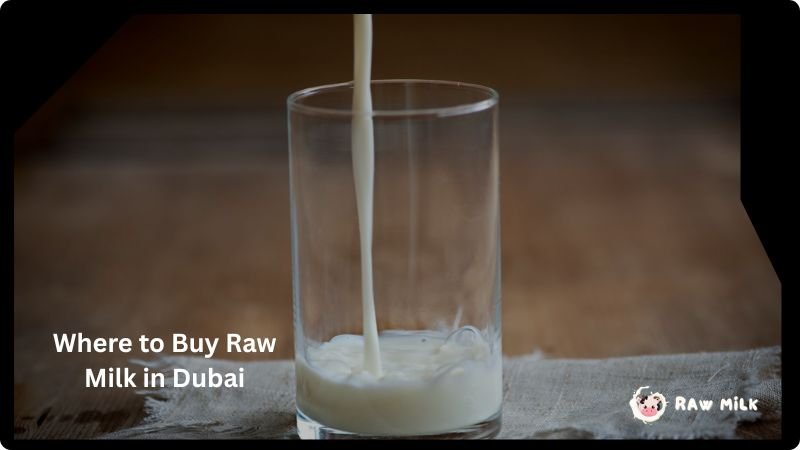
Raw milk is milk straight from the animal—usually cows, goats, or camels—that has not been pasteurized or homogenized. Pasteurization heats milk to kill bacteria, while homogenization breaks down fat molecules so the cream does not separate.
While these processes extend shelf life, many people believe they also destroy beneficial enzymes, vitamins, and natural bacteria. Residents looking for fresh milk Dubai offers are increasingly turning to raw alternatives for several reasons:
- Nutritional Value: Supporters argue that unpasteurized milk retains more of its natural vitamins, particularly water-soluble vitamins like C and B-complex.
- Easier Digestion: Many consumers report that raw dairy is easier to digest because it contains lactase-producing bacteria, which are destroyed during pasteurization.
- Richer Taste: Unhomogenized milk boasts a creamier, richer flavor profile that pasteurized versions simply cannot match.
- Probiotic Content: The natural bacteria found in raw dairy can support a healthy gut microbiome.
Is Raw Milk Legal in Dubai?
Navigating the legality of raw milk in the UAE requires understanding the country’s strict food safety laws. Dubai Municipality and the Ministry of Climate Change and Environment (MOCCAE) enforce rigorous standards to protect public health.
Commercially, selling raw, unpasteurized cow’s milk on retail shelves is generally prohibited to prevent foodborne illnesses. Supermarkets and standard grocery delivery apps only stock pasteurized and thoroughly tested dairy products.
However, consumers often find legal pathways through direct farm-to-consumer models. Some local farms offer private sales, farm visits, or specific subscription models that operate under agricultural permits rather than commercial retail licenses. Camel milk, a traditional staple in the region, sometimes enjoys different regulatory frameworks, but raw cow and goat milk remain heavily restricted in public markets.
If you plan to buy raw milk in Dubai, you must do so through private, direct relationships with farmers rather than commercial retailers. Always verify that the farm operates with the necessary health and safety approvals from local authorities.
Common Ways to Source Raw Dairy in the UAE
Since you will not find unpasteurized dairy in the local supermarket, you have to look closer to the source. Here is a general overview of how consumers access farm fresh milk UAE wide:
Farm Delivery and Subscription Services
Many local dairy farms have adapted to consumer demand by offering direct raw milk delivery Dubai services. Customers sign up for a weekly or bi-weekly subscription. The farm collects the milk, chills it immediately, and delivers it directly to the customer’s doorstep using temperature-controlled vehicles. This is the most reliable way to ensure a consistent cold chain.
Direct Farm Visits
Some families prefer to drive out to dairy farms in the outskirts of Dubai, Sharjah, or Ras Al Khaimah. Visiting the farm allows you to see the facilities, meet the farmers, and purchase milk straight from the milking parlor. This hands-on approach builds trust and guarantees absolute freshness.
Private Suppliers and Community Groups
Health and wellness communities in Dubai often share resources. Many consumers join private social media groups or messaging community chats where private suppliers and small-scale farmers advertise their yields. While convenient, this method requires the highest level of personal vetting to ensure safety.
What to Expect When Buying Raw Milk in Dubai
Purchasing unpasteurized dairy is a different experience from buying standard commercial milk. Here is what you can expect regarding the product and the delivery process.
Ultimate Freshness
Raw milk has a very short shelf life. It is usually delivered within 24 hours of milking. Because it lacks preservatives and has not been heated, you must consume it quickly—typically within four to five days of receiving it.
Specialized Packaging
Quality farms package their raw dairy in sterilized glass bottles rather than plastic. Glass preserves the taste, prevents chemical leaching, and keeps the milk colder. You will also notice a thick layer of cream at the top of the bottle, which is a natural result of the milk being unhomogenized. You simply shake the bottle before pouring to mix the cream back in.
The Delivery Process
Cold chain logistics are critical. Raw milk delivery Dubai services use insulated cool boxes with ice packs. If the milk rises above a certain temperature during transit, harmful bacteria can multiply rapidly. Suppliers will usually require you to be home to receive the delivery or ask you to leave an insulated cooler box outside your door.
Safety, Hygiene, and Quality Concerns
When discussing unpasteurized dairy, we must address a crucial question: is raw milk safe?
The short answer is that it carries inherent risks. Because it is not heated to kill pathogens, raw milk can harbor dangerous bacteria such as Salmonella, E. coli, Campylobacter, and Listeria. These pathogens can cause severe foodborne illnesses, which are especially dangerous for pregnant women, young children, the elderly, and immunocompromised individuals.
To mitigate these risks, the hygiene of the farm must be impeccable. The health of the animal, the cleanliness of the milking equipment, the immediate chilling of the milk, and the strict maintenance of the cold chain all play critical roles in keeping the milk safe to consume.
How to Identify a Trusted Raw Milk Supplier
If you decide the benefits outweigh the risks, choosing the right supplier is your most important task. Never buy raw milk from an unverified source. Look for the following indicators of a trustworthy farm:
- Transparency and Open Doors: A reputable farmer will welcome you to visit their facility. If a supplier refuses to let you see where the animals live and are milked, look elsewhere.
- Grass-Fed and Pasture-Raised Animals: Animals that graze on natural pastures tend to be healthier and produce better quality milk than those confined to concentrated feedlots.
- Rigorous Testing: Ask the supplier how often they test their milk. The best farms conduct regular lab tests for pathogens, somatic cell counts, and overall bacteria levels.
- Immaculate Milking Procedures: The animals’ udders should be cleaned before milking, and the milking equipment must be thoroughly sterilized between uses.
- Instant Chilling: The milk should be chilled to below 4°C immediately after milking to stop any natural bacteria from multiplying.
Pros and Cons of Consuming Raw Milk
Before making a decision, weigh the advantages and disadvantages carefully.
Pros:
- Contains a rich profile of natural vitamins and minerals.
- Features beneficial enzymes that can aid in digestion.
- Provides probiotics that promote a healthy gut flora.
- Offers a superior, creamy, and authentic taste.
- Supports local, small-scale farmers and sustainable agriculture.
Cons:
- Carries a significant risk of foodborne illness if contaminated.
- Has a very short shelf life compared to pasteurized milk.
- Requires strict temperature control from farm to fridge.
- Is often more expensive and harder to source than supermarket dairy.
- Is not recommended for vulnerable populations (pregnant women, young children).
Frequently Asked Questions (FAQ)
Where can I buy raw milk in Dubai?
You cannot buy unpasteurized cow’s milk in commercial supermarkets in Dubai. You must source it directly from local dairy farms that offer private sales, through farm delivery subscription services, or by visiting agricultural facilities in the surrounding emirates.
Is raw milk safe to drink?
Raw milk carries a risk of bacterial contamination because it is not pasteurized. While many healthy adults consume it without issue, it can harbor pathogens like E. coli or Listeria. It is generally advised that pregnant women, children, and those with weakened immune systems avoid it. Sourcing from a highly hygienic, rigorously tested farm minimizes these risks.
Why do people prefer raw milk?
Many consumers prefer raw milk for its rich taste, creamier texture, and perceived health benefits. Advocates believe it contains beneficial probiotics, enzymes, and vitamins that are destroyed during the commercial pasteurization process, making it easier to digest.
How is raw milk stored and delivered?
Raw milk must be stored in sterile containers—preferably glass—and chilled immediately after milking. Delivery requires a strict cold chain, usually involving refrigerated vans and insulated cooler bags. Once delivered, you must store it in the coldest part of your refrigerator and consume it within a few days.
What should I check before buying raw milk?
Before purchasing, verify the farm’s hygiene practices. Check if the animals are pasture-raised and healthy, ask about their milking and sterilization procedures, confirm that the milk is chilled instantly, and inquire about their routine laboratory testing for pathogens. Always choose a supplier who is transparent about their operations.