


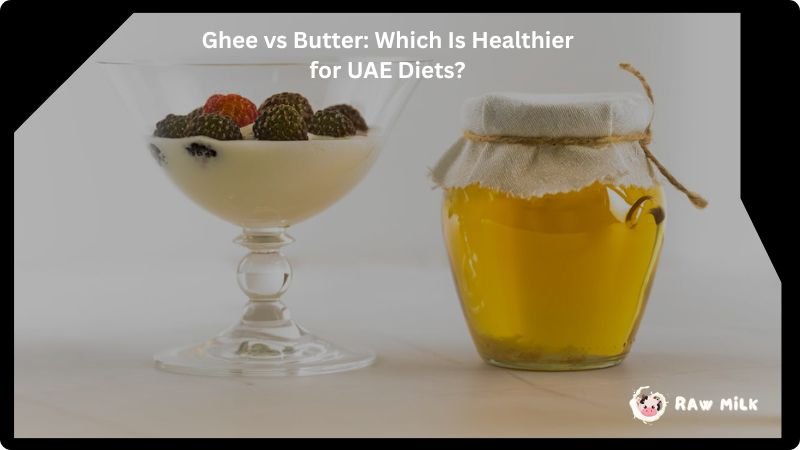
Ghee vs Butter: Which Is Healthier for UAE Diets?
Walk into any supermarket in Dubai or Abu Dhabi, and you will find an entire aisle dedicated to dairy products and cooking oils. Choosing the right cooking fats UAE residents should use for everyday meals can feel overwhelming. Two of the most popular and debated options are ghee and traditional butter. Both offer rich flavors and unique culinary advantages, but families, fitness enthusiasts, and expats frequently ask about the ghee butter debate.
Understanding the differences between these two staples is crucial for anyone looking to optimize their health in the region. This guide explores exactly what sets them apart, highlights their specific benefits, and helps you decide which one belongs in your kitchen.
What is Ghee and How is it Made?
Ghee is a form of highly-clarified butter that traces its origins back thousands of years to ancient India. It holds a prominent place in Middle Eastern and South Asian cuisines. To make ghee, you melt regular butter over low heat until the water evaporates and the milk solids separate and sink to the bottom.
The cook then skims away these milk solids and simmers the remaining golden liquid until it develops a deep, nutty aroma. Finally, the liquid is strained to remove any remaining impurities. This careful process removes almost all the lactose and casein, leaving behind pure butterfat. Because the moisture is gone, ghee stays fresh at room temperature for much longer than traditional dairy products.
What is Butter and How Does it Differ from Ghee?
Butter is a traditional dairy product made by churning fresh or fermented cream. The churning process separates the butterfat from the buttermilk. Standard commercial butter typically consists of about 80% butterfat, 15% to 17% water, and 3% to 5% milk solids (which contain lactose and casein).
The primary difference between the two lies in these milk solids and water content. Because butter retains its milk solids, it provides a creamy, sweet flavor that works perfectly for baking and spreading on toast. However, these same milk solids cause butter to burn quickly at high temperatures. Ghee removes these solids entirely, creating a pure fat that behaves very differently in a hot frying pan.
Ghee vs Butter: Key Differences
When evaluating ghee vs butter, you must look at four specific areas: fat content, lactose levels, taste, and smoke point.
- Fat Content: While both consist primarily of fat, ghee is 100% pure butterfat. Butter contains about 20% water and milk solids. This means ghee has slightly more calories and fat per tablespoon than butter.
- Lactose and Casein: Butter contains trace amounts of lactose and casein. Ghee removes almost all of these proteins and sugars during the clarification process, making it highly suitable for people with dairy sensitivities.
- Taste Profile: Butter delivers a sweet, creamy, and familiar dairy flavor. Ghee offers a richer, roasted, and distinctly nutty taste that adds deep umami notes to savory dishes.
- Smoke Point: Butter smokes and burns at 350°F (175°C) because its milk solids scorch easily. Ghee boasts a much higher smoke point of 485°F (250°C), making it excellent for frying and sautéing.
Detailed Comparison Table
Here is a quick breakdown to help you see how these two fats compare nutritionally per one tablespoon (14g) serving.
|
Feature |
Ghee |
Butter |
|---|---|---|
|
Calories |
120 |
100 |
|
Total Fat |
14g |
11g |
|
Saturated Fat |
9g |
7g |
|
Vitamins (A, E, K) |
High |
Moderate |
|
Lactose/Casein |
Trace/None |
Present |
|
Digestion |
Easy (Dairy-friendly) |
Can trigger sensitivities |
|
Smoke Point |
485°F (250°C) |
350°F (175°C) |
Which is healthier for UAE diets?
Deciding which is healthier ghee or butter depends heavily on the typical UAE lifestyle, the hot climate, and diverse cooking habits. The UAE is a melting pot of cultures, meaning kitchens here prepare everything from slow-cooked Arabic stews and spicy Indian curries to seared European steaks.
For high-heat cooking and heavy spice frying—common in many local and expat diets—ghee is the clear winner due to its stability at high temperatures. Furthermore, the hot climate means non-refrigerated stable fats offer great convenience. Many fitness enthusiasts in the UAE also prefer ghee because it contains medium-chain triglycerides (MCTs) and butyrate, which support gut health and provide quick energy. However, if you mostly eat fresh breads or bake pastries, butter remains a perfectly healthy option when consumed in moderation.
Butter vs Ghee Benefits
To determine is ghee better than butter for your specific needs, let us look at the unique benefits each brings to the table.
Benefits of Ghee
- Improves Digestion: Ghee is rich in butyric acid, a short-chain fatty acid that nourishes the cells lining your gut and reduces inflammation.
- High Smoke Point: You can safely heat ghee to 485°F without producing toxic free radicals. This makes it a highly stable cooking fat.
- Lactose-Free Properties: The clarification process removes milk sugars and proteins. People with mild lactose intolerance can usually consume ghee without experiencing bloating or discomfort.
- Shelf Stability: You can store ghee in a pantry for months without it spoiling, saving valuable refrigerator space.
Benefits of Butter
- Superior Baking Taste: Butter holds onto moisture, which helps create soft, flaky textures in cakes, cookies, and croissants.
- Essential Nutrients: Grass-fed butter serves as an excellent source of Vitamin A, Vitamin B12, and conjugated linoleic acid (CLA), which supports immune function.
- Widespread Accessibility: Butter is widely available in every local grocery store across the UAE, often at a lower price point than premium ghee.
- Lower Calorie Count: Because it contains water, butter naturally has slightly fewer calories and less total fat per tablespoon than ghee.
Ghee vs Butter for Cooking in UAE Kitchens
Your choice in the kitchen should dictate which fat you pull from the shelf. If you plan to sear meat, roast vegetables, or temper spices for a traditional biryani, ghee is your best friend. Its high smoke point ensures your food will not taste burnt. Conversely, if you want to mount a sauce, bake a French pastry, or simply spread something delicious on morning sourdough bread from a local Dubai bakery, traditional butter performs much better. Many chefs in the UAE keep both on hand to ensure they have the right tool for every culinary task.
Cholesterol and Heart Health
When evaluating cooking fats UAE residents must consider heart health. Both ghee and butter are high in saturated fats. For decades, health experts advised against saturated fats, but recent nutritional science offers a more nuanced view.
Neither fat will directly cause heart disease when consumed as part of a balanced, whole-food diet. Ghee contains conjugated linoleic acid (CLA), which some studies suggest may actually help reduce cholesterol levels and reduce arterial plaque. However, because both are calorie-dense and rich in saturated fat, portion control remains vital. If you have existing cholesterol issues, consult a doctor or nutritionist before adding large amounts of either fat to your meals.
Pros and Cons List
Ghee Pros:
- Does not burn at high temperatures
- Safe for most people with lactose intolerance
- Rich, robust flavor
- Does not require refrigeration
Ghee Cons:
- More expensive than traditional butter
- Lack of moisture makes it poor for certain baking recipes
Butter Pros:
- Unmatched flavor for spreading and baking
- Adds wonderful texture and moisture to baked goods
- Highly affordable and easy to find
Butter Cons:
- Burns quickly in a hot pan
- Contains lactose and casein, causing issues for sensitive stomachs
- Requires refrigeration to prevent spoiling
Tips on When to Use Ghee vs Butter
- Use ghee when: You are frying eggs, searing a steak, roasting root vegetables, or making curries and stir-fries.
- Use butter when: You are making cookies, spreading it on toast, finishing a delicate pan sauce, or mashing potatoes.
- Mix them up: You can substitute ghee for butter in warm dishes like oatmeal or rice for a deeper, nuttier flavor profile.
Frequently Asked Questions
Is ghee healthier than butter?
Ghee is healthier for high-heat cooking and for individuals with dairy sensitivities. It also provides more butyrate for gut health. However, both are healthy when consumed in moderation.
Can I replace butter with ghee?
Yes, you can replace butter with ghee at a 1:1 ratio for cooking and roasting. However, substituting ghee for butter in baking may change the texture of your baked goods because ghee lacks water.
Is ghee better for high-heat cooking?
Absolutely. Ghee has a smoke point of 485°F compared to butter’s 350°F. This prevents the fat from breaking down and releasing harmful free radicals into your food.
Does ghee contain lactose?
Ghee is virtually lactose-free. The clarification process removes the milk solids, meaning most people with lactose intolerance can consume ghee safely.
Which is better for weight loss?
Neither is a “weight loss” food, as both are dense in calories and fat. Butter has slightly fewer calories per tablespoon. However, the MCTs in ghee can help provide quick energy and keep you feeling full longer. Portion control is the most important factor for weight loss.
Conclusion
The great ghee butter debate does not have a single winner; rather, it depends entirely on your lifestyle, dietary restrictions, and how you cook. If you frequently cook at high temperatures or struggle with lactose intolerance, ghee is an exceptional addition to your pantry. If you love baking or enjoy a sweet, creamy spread for your morning breakfast, traditional butter remains unmatched.
For a well-rounded UAE diet, we recommend keeping both in your kitchen. Use ghee for your heavy cooking and frying, and save high-quality, grass-fed butter for baking and raw applications. By understanding the butter vs ghee benefits, you can make smarter, healthier choices that elevate the nutrition and flavor of every meal you prepare.